

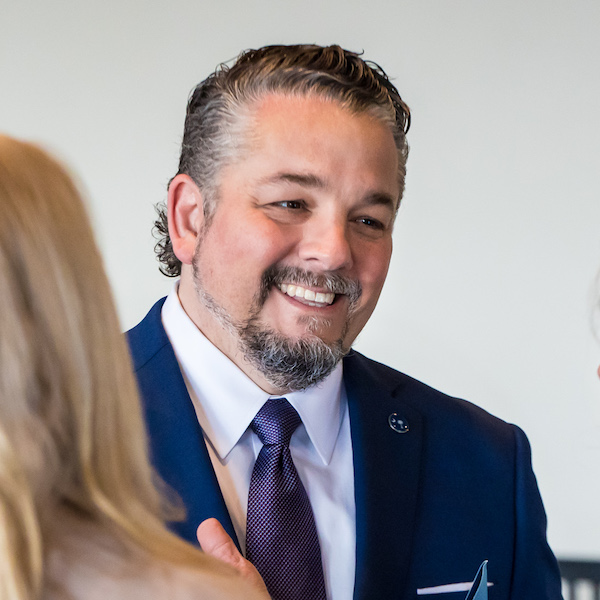
Children’s Trust of South Carolina, which produces SC Parents, works closely with the South Carolina Department of Social Services to serve and strengthen families throughout the state.
We recently spoke with SCDSS State Director Tony Catone about how the agency supports families and kids.
Many parents may only interact with DSS during times of stress or crisis. What do you want them to know about your agency’s role and mission?
While many people immediately associate DSS with foster care or child protective services, I think it’s important for the public to understand that DSS offers a wide range of support and assistance programs or resources that families can access before a crisis occurs.
We understand that encountering DSS can be considered an unsettling experience by some because many people do not fully understand the work of the agency, but they hear stories of its involvement with families. The agency was not created to remove children from families but to keep families together if possible. And we do a lot more of the keeping-families-together work, but people don’t hear as much about that. Our work at DSS really is about child and family well-being and strengthening families, and I don’t think the community fully understands the breadth of supports that we offer.
It is important to shine a light on the work DSS does outside of Child Welfare Services. The people of DSS entered public service to serve their communities by striving against hunger, poverty, abuse and neglect, and we have programs that are designed to assist and strengthen families from multiple angles so that the family can be preserved. We support families and children through parenting programs, child care, addressing food insecurity, improving healthy eating, and promoting upward economic mobility.
What resources or programs does DSS offer that you think more parents should know about?
Many people are already familiar with DSS assistance programs like Supplemental Nutritional Assistance (SNAP), Temporary Assistance to Needy Families (TANF) and our childcare scholarship programs. Less well-known are our parenting programs and partnerships:
-
- Strengthening Families Program: SCDSS has a long partnership with Children’s Trust to fund the Strengthening Families Program across the state. The program serves families with children 7-17 to help families develop positive discipline practices, improve resilience, reduce conflict, improve parenting skills, and assist children with social skills, relationships and school performance.
- Positive Parenting Program (Triple P) Online: South Carolina families also have access to the different Triple P online modules (Baby, 0-12, and teen). These self-paced modules act as a toolbox of parenting tips, strategies, skills and knowledge to help parents create a positive learning environment.
- Parents as Teachers (PAT): DSS Partners with the South Carolina First Steps to support the expansion and increased availability of the Parents as Teachers program to children and families across the state. The goal of PAT is to improve positive parenting practices, child health and school readiness, strengthen families’ resilience, and connect families with children 0-5 to crucial community resources.
We also partner with non-profits like the South Carolina Infant Mental Health Association to pair highly specialized early childhood mental health consultants with child care providers to promote awareness of social and emotional development in the children they serve, prevent mental health crises, and consult on understanding and responding to child behaviors. Parents, child care providers, and others are able to reach out and request a consultation for any child.
What advice would you give to parents who are struggling but are hesitant to reach out for help?
We are working with our community partners to destigmatize seeking help and support. We understand there may be mistrust around engaging with Social Services — a fear of a protective services report or having children removed. We realize that asking for help is a vulnerable and courageous act.
We now have a team of Family Support Navigators that helps families with navigating local resources to find help and works to provide warm handoffs with our other programs internal to DSS for SNAP, TANF, and child care. Families can reach out to DSS to receive this support from our Navigators team without having an open child welfare case with the agency.
Can you share a recent success story or initiative that shows DSS is working to make a positive difference for kids and their families?
We have a number of examples from our family support navigation team, but here are a couple of recent ones.
A large family in the Upstate was living in a house with a section of the roof caved in. The landlord would not fix the home and a child in the home was suffering from health issues related to the housing conditions. Our team supported the family in accessing TANF and utilizing temporary housing as we searched for longer-term solutions. Ultimately, the family accessed a housing voucher and is now stable with housing.
A different family in the Lowcountry was experiencing instability in employment and income. The caregiver expressed interest in pursuing a Commercial Driver’s License. We referred her to our SNAP Education and Training program, which has relationships and resources around employment and training opportunities. When we conducted our follow-up call, she had enrolled in the program and was slated to attend orientation the following day.
What changes or improvements are you most excited about in how DSS serves families?
We are seeing a shift in mental models about what prevention is, and agencies are working more closely together and with community partners to design community-specific supports. Abuse and neglect prevention work has been recognized as a bright spot for South Carolina by partners across the country.
What gives me the most hope is that people are recognizing its importance and that we are moving in the right direction – helping families before a crisis escalates to neglect or abuse.
Additionally, we are excited to find more and more community support and engagement for increasing investments in prevention. More investment is being made to expand the availability of evidence-based programs, concrete supports, family resource centers and more.